Home Blog Page 2

10 Cool Creepy Crawlies Found in the Amazon Rainforest

0

Widely considered among the most remarkable natural attractions on the planet, the Amazon River Basin is home to the world’s largest tropical rainforest and at least 10% of its known biodiversity.

There are around 30 million species in the 6.7 million square kilometer Biome, with thousands of new species discovered there each year. One acre of Amazon Rainforest is estimated to contain as many as 70,000 species of insects (scientists once found 700 different species of beetle on just one tree).

The birds, monkeys, reptiles and amphibians of the Amazon may get most of the attention from wildlife lovers. But we think these 10 creepy crawlies are equally cool, and well worth watching out for as you venture out into the rainforest.

amazon-assassin-bug

Assassin Bug

These alien-looking predators are related to the plant-eating shield bug. But they’ve adapted a piercing proboscis with which they feed upon their victims (ants and bees are their favorites). The assassin skills for which they are named include coating themselves with ant carcasses to disguise their pheromones and covering their legs with tree sap and grabbing bees out of mid-air with their sticky claws. They may not look like much, but these clever carnivores have some seriously deadly moves.

amazon-bullet-ant

Bullet Ant

Commonly found in wet neotropic areas throughout Central and South America, these ants are well-known for their massive size (up to 1.2 inches in length) and its venomous sting. It’s also known as the 24-hour ant, because that’s how long it typically takes to get over the pain. Brazil’s Sateré-Mawé people use these ants in an initiation rite for male warriors, putting hundreds of them in a glove made of leaves that the wearer is encouraged to wear for 10 minutes.

amazon-catapillar

Jewel Caterpillar

Sometimes referred to as “the nudibraches of the forest,” these vividly colored wonders are rarely seen because they’re so tiny (about a half-inch long) and quick (for a caterpillar). Their gorgeous glass-like colors belie the fact that they’re actually quite gooey, with protective “spikes” that provide defense from predators. While the ant or wasp is dealing with a mouthful of gummy gunk, the future moth makes his hasty getaway.

amazon-walking-stick

Jumping Stick

This skinny beanpole looks like the more common giant walking stick insect. But it’s more closely related to the Locust, and is named for its ability to jump and kick like a kung fu master. Its hind legs are 2.5 times as long as its front and middle legs, allowing it to propel its 2.6-inch body up to 3 feet in a single bound. They’re also known for their odd, elongated faces, with a grasshopper-like mouth and large eyes on a stalk that help it look for predators and attract mates.

amazon-latern-bug

Lantern Fly

Don’t let the name fool you: This odd-looking insect looks more like a moth than a fly, and their massive peanut-shaped heads don’t light up. They have vivid spots on their wings that some people believe help to scare off predators by mimicking the eyes of a much larger animal. There’s also a myth in certain local populations that if the bug bites someone (which it doesn’t), they’ll die if they don’t have sex within a day. I wonder how many young Amazonian men have tried using that line?


Fishing Spider

This Amazon species is both big and beautiful, growing up to 8 inches and boasting a green, gold and white body. Semi-aquatic, they’re most often found waiting at the edge of a pool or stream. They wait for ripples that advertise prey (insects, tadpoles and even small fish), then run across the surface to grab it and inject their venom. Some species can even encase themselves in a silver air bubble and climb beneath the water.

amazon-ants

Leaf-Cutter Ant

There are 47 species of leaf-chewing ants. By the time you leave the Amazon, you may feel as if you’ve had to sidestep every one of them. You’ll most often see them crossing paths while carrying the large pieces of fresh vegetation by which they earned their name. They use them as nutritional substation for fungal gardens for their underground colonies. Containing up to 8 million individuals and stretching up to 6,400 square feet, they’re the second largest and most complex animal societies on the planet (after humans).

amazon-leafmimic-katydid

Leaf-Mimic Katydid

Closely related to crickets and grasshoppers, katydids get their name from the noises both sexes make by rubbing their legs together (which sounds like “kay-tee-did”). The tempo of this stridulation is dictated by ambient temperature: It’s said that you can count the number of chirps heard in 15 seconds, add 37, and get a fairly accurate temperature reading on the Fahrenheit scale. With veined bodies resembling a green leaf, they’re masters of the art of camouflage.

amazon-beetle

Longhorn Beetle

There are over 26,000 species in the Cerambycidae family, which are occasionally referred to by the awesome nickname “longicorns.” They’re characterized by their extremely long antennae, which are typically as long or even longer than the beetle’s body. They’re often vividly colorful, with some mimicking ants, bees and wasps. The most impressive species, the rare titan beetle, is widely considered the world’s largest insect, with a maximum body length of around 6.6 inches.

amazon-tarantula

Tarantula

If you’re afflicted with arachnophobia (fear of spiders),  be forewarned that the Amazon is relatively filled with these fuzzy-legged phenoms. The good news is that the most commonly seen species, the pinktoe tarantula, is relatively harmless and rarely bites. Look for them in trees everywhere, especially during nighttime tours. The largest species, the Goliath Tarantula, can grow up to a 12-inch leg span and is considered a treasured delicacy by some indigenous tribes.
Exploring Selva Negra Nature Reserve

0
Selve Negra Nature Reserve

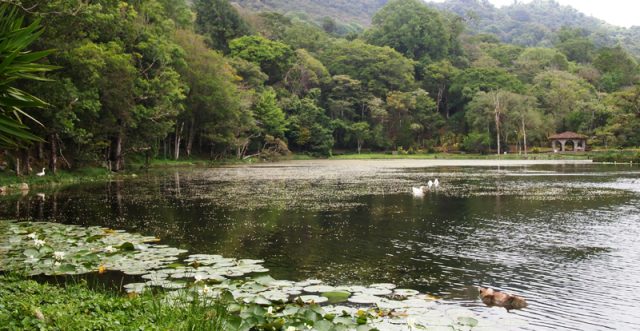
Up in the cloud forest, near the northern Nicaraguan city of Matagalpa, sits a private nature reserve dating back over 120 years. Selva Negra (which translates to “The Black Forest”) was founded in the late 1800s by German-born immigrants who were encouraged to settle the area by the Nicaraguan government. The 300-acre reserve is home to a wild array of flora and fauna, as well as one of the country’s most prestigious coffee plantations.

Most of the Selva Negra Cloud Forest Reserve is situated above 3000 feet in a tropical forest that receives about 10% of its total moisture directly through contact with the clouds rather than traditional rainfall. Cloud forests like Selva Negra are intense biological districts that contain an incredibly diverse and intense arrangement of life, both vegetative and animal.

THE FLORA OF SELVA NEGRA

The name Selva Negra likely comes from the fact that the canopy of the forest is so thick that it allows just a tiny fraction of light to reach the forest floor. The result is an extremely dark place, even in the daytime.

Among those canopy-creators is the most important tree in Selva Negra – the strangler fig – which grows to 160 feet tall and casts a massive net over the sky. Incredibly important to this particular cloud forest, the strangler fig’s fruit is consumed by around 70% of the area’s animal population.

There are also some 50 species of orchids that grow within the nature reserve. The most prominent of those orchids is the Arpophyllum Giganteum, which sprouts from from dead fig trees. Also found in the cloud forest of Selva Negra are nearly 40 species of mushrooms.

THE FAUNA OF SELVA NEGRA

In the cloud forest, animals are more often heard than seen. Not only is the vegetation extremely dense and the light very low, but most of the wildlife that calls Selva Negra home are well-camouflaged and nocturnal.

The most commonly-seen mammal in the reserve is the howler monkey, which is typically heard long before you spot it. The rousing call of this species, which is found throughout Central and South America, can be heard for up to a mile away. The howler monkey is one of the more intimidating alarm clocks you’ll be sure to hear at dawn in the cloud forest.

With all the decaying organic matter throughout the cloud forest, there’s a significant insect population there, the most interesting of which are the beetles. There are also 19 species of amphibians and 33 species of reptiles found in the park. The butterflies of the reserve are always popular, especially the famed blue morpho.

But it’s primarily the birds that draw people into this beautiful nature reserve. Selva Negra is home to over 200 different bird species and is, in many ways, the crossroads and meeting ground for birds from the northern and southern hemispheres. Within the bounds of the reserve, you can spot everything from egrets to kingfishers, and from hawks to hummingbirds.

OTHER THINGS TO DO IN SELVA NEGRA 

  • Visit the Coffee Plantation: The Selva Negra Estate has been producing coffee since the 1890s, when German immigrants founded the establishment. Some of their descendants are still here, planting and plucking coffee beans today.  Their coffee is grown around 4,000 feet above sea level and under shade, and is 100% organic and sustainable.  International Expeditions’ guests have an opportunity to watch the process of coffee production in a program called “From Seed to Cup.” Harvest season for the coffee beans runs from November to February.
  • Hiking: If you’re looking to explore the nature reserve on foot, there are 14 superb trails of varying length and difficulty that carve through the cloud forest. Visitors are welcome to enjoy the trails on their own, but it’s even more rewarding when IE’s highly trained naturalist guides show you a little bit about the forest and the critters that live within it.
  • Horseback Riding: Of the 14 hiking trails within the reserve, six are also made available to horse riders. Getting out on horseback and exploring the Selva Negra gives visitors a beautiful perspective of the forest without having to get their feet too muddy.

Jaco Wildlife Tours, Costa Rica

0

Jaco is a place for surfers and older American gentlemen who retire there with younger Costa Ricans or to see the surfer gals!  It is a great and lively little place with an amazing beach.  However it is also pretty close to some great wildlife.  Make sure that you go out of your way to take in the natural beauty just a short drive away from the noisy beer soaked streets of Jaco!

We joined a couple of tours whilst in the area:

Rainforest Adventures, Jaco

The first of the 2 tours I will mention is the Rainforest Adventures tour to see the canopy from a tram.

It doesn’t help that I am scared of heights as I went here feeling quite anxious.  However, the one thing I can say about this place is that once you are on the tram and settled in you do feel quite secure up there! However that’s about where the positives ended for me.

Each tram takes 6 people plus a guide, and I must say that our guide was not great (either on the tram or while walking us around the rest of the grounds).  He knew what he was talking about and his English was OK but his delivery style was bland and i lost interest very quickly. Also pretty much the only animals we saw were White faced Capuchin.  The problem of these trams is that you see them and keep moving so you do not get time to enjoy the animals… The only thing you enjoy is a nice view on the way back down.

A good try

It is valiant what they have done with old plantation land and a hill side unsuitable for other development but for me it really wasn’t worth the money AT ALL! We didn’t realise that we were getting a tour of the grounds after which was a bonus as we thought we would get some more value out of the money. However in fact we just got very hot and I really wasn’t too impressed with the snake enclosures… They need to take a look at what the serpentarium in Monteverde are doing!

But I wanted more

I honestly wish that we had spent our last morning in Costa Rica doing something a little more enjoyable… To be honest even a walk along Jaco beach would have been a better way to end our holiday – at least that would have been free of charge.

Crocodile Man Tour, Jaco

We did a 17 day tour around Costa Rica (with 3 in Nicaragua) and nowhere else could boast a tour as good as this one! If you are in the Jaco area you are depriving yourself if you pass this by! From what we did (and you can see from my reviews that I did a fair bit in that time), this was the BEST money I spent the whole time.

So much wildlife

We did this at the end of our holiday and it really was a summary of our whole trip – we saw a variety of birds and reptiles, with something new being pointed out every minute (literally), unlike other boat trips where you may see a glimpse of a humming bird once every 15 minutes. The amount of wildlife on this river is insane! There were even a few other treats like Roseated Spoonbills which we had not seen before. If you like birds this tour is a must for you….

…And if you like Crocodiles you are in for a HUGE treat! We must have seen about 60 Crocodiles on this tour and our boat driver even got out and hand fed 2 of these which was a really fun addition to the tour. Some of the bigger crocs even have names and some fun stories which go with them. The biggest croc on the river for example has been named Osama Bin Laden, with the tour guide explaining that they chose that name because he is always hiding.

Amazing people

The tour guide was absolutely brilliant! He made the whole experience fun and was really informative – what else could you possibly want!

The biggest tip about this place though is that if you are staying in Jaco and want to buy some gifts, wait until you come on this tour. They have a restaurant and gift shop – the shop has a good selection and is literally half the price of the ones in Jaco!  Don’t deprive yourselves of this amazing tour and click here to book with them!

Going on a Gorilla Tour in Uganda’s Bwindi Forest

0

Taking an option of doing mountain gorilla trekking in Uganda’s Bwindi Impenetrable National Park is great decision made which results into an ultimate adventure to narrate as a story to your fellow travelers when you meet up in other amazing destinations elsewhere.

This experiential rewarding activity done in Uganda usually involves meeting with the mostly wanted shy endangered ground dwelling herbivores Mountain Gorillas in the Jungles of Bwindi Impenetrable National Park. It’s not that most travelers just like visiting Uganda because it’s the only destination available but rather it’s due to some major attracting factors.

They include ease of accessibility, wide range of different Wild life species, different other exciting attractions, favourable climatic conditions, stable financial status, good service providers characterized, flexibility and stable security.

Looking forward to meet Uganda’s Mountain Gorillas on your Uganda Safari Tour vacation, Bwindi Impenetrable National Park is the best recommended and fascinating Park to go for variety of these apes even on the rest of the continent.

It is located in the South Western part of Uganda lieing along Uganda’s border with Democratic Republic of Congo not very from Queen Elizabeth National Park.

It’s very easy to drive from the Buhoma sector side of Bwindi and access Queen Elizabeth National Park via the Ishasha sector route. Bwindi presents thick impenetrable tropical rain forest, bogs, shrubs and swampy areas which provide good habitat to its various species.

Popularly known for hosting variety of gorilla species, Bwindi Impenetrable National Park has over eighteen Gorilla families habituated for trekking experience.

These families are grouped in Bwindi’s four sectors including Buhoma sector, Ruhija, Rushaga and Nkuringo sector with each sector inhabiting more than two Gorilla families.

How to get There

Being located in the South western part of Uganda, the best route of reaching this Park from Kampala is Kampala- Masaka- Mbarara highway including enroute stop over at the equator in Kayabwe before reaching Masaka town for some brief explanation about the equator, photographs and snacks.

Then continue with the journey using suitable 4×4 wheel drive Safari jeep, lunch is usually provided enroute in Mbarara town.

It takes about 9-10 hours for the drive from Kampala up to Bwindi Impenetrable National Park in the South Western part of Uganda depending on speed used and traffic along the way plus enroute stop overs associated.

Gorilla Trekking in Bwindi

This usually involves meeting with the shy endangered ground dwelling herbivores mountain gorillas in the Jungles of Bwindi Impenetrable National Park, this amazing experience is usually started in the morning after a briefing conducted at the Park offices or starting point to highlight about how to behave while in the Jungle, along the way and in presence of these apes.

After briefing a park ranger guide and armed officers are assigned to a group of eight trekkers for the journey heading to the Jungle in search of these apes for interaction, Park ranger usually inquire from Gorilla trackers via radio calls about the exact location of these apes in the Jungles.

Gorilla trackers are usually the first to go early in the morning to exactly locate where these apes spent their last night.

After locating these apes in the Jungles, you are allowed to stay in their presence for only one hour while seeing them playing, feeding, laughing plus taking photos and videos of them provided you are not using a flush camera.

After one hour session with the Gorillas, next step is vacating the place back to Park offices or starting point for Gorilla trekking certificate award, its advised that when heading for a gorilla trek in Uganda you come along with your packed food for eating while in the Jungle because most of the times lunch time reaches when Gorilla trackers are still in the Jungle being unable to come back for lunch.

Gorilla trekking requires a permit and this permit in Uganda costs $800 USD per person usually booked in advance before your trekking dates such that it’s processed in time.

Besides Gorilla trekking what else? While in Bwindi Impenetrable National Park, you can also do bird watching, visit the Batwa people in their local communities and more.

Choosing Destinations for Self-Drive in East Africa

0

Choosing the best destinations for a self-drive safari in East Africa is an exciting decision that can shape your entire adventure, offering you a chance to experience the region’s breathtaking landscapes and iconic wildlife on your own terms. East Africa is home to some of the world’s most famous national parks and reserves, each with its own unique ecosystems and wildlife encounters. Whether you are dreaming of witnessing the Great Migration in Kenya’s Maasai Mara, exploring the vast plains of Tanzania’s Serengeti, tracking mountain gorillas in Uganda’s Bwindi Impenetrable Forest, or driving through Rwanda’s lush volcanic landscapes, the options are endless. The best destinations for your self-drive safari will depend on what kind of experience you want from dramatic savannahs teeming with predators to dense rain forests alive with primates.

Let’s explore how to choose the ideal destinations to make your East African safari unforgettable;

  1. Understand What You Want to See and Experience

The first step in choosing the best destinations is knowing what kind of experience you want. Are you hoping to see the Big Five (lion, leopard, elephant, buffalo, and rhino)? Do you dream of watching the Great Migration? Or are you more interested in unique wildlife, like gorillas or flamingos? Each park offers different wildlife experiences, so it’s important to match your goals with the right destination.

  1. Consider the Best Safari Parks in Each Country

East Africa is made up of amazing safari countries, each with iconic national parks. In Kenya, the Maasai Mara is famous for lions and the wildebeest migration, while Amboseli offers stunning views of Mount Kilimanjaro with herds of elephants. Tanzania is home to the Serengeti, another migration hotspot, and the Ngorongoro Crater, which is packed with animals in a unique volcanic landscape. In Uganda, you can trek to see mountain gorillas in Bwindi or chimpanzees in Kibale. Rwanda is known for Volcanoes National Park, where you can also see gorillas. Exploring the top parks in each country will help you decide which ones align with your safari dreams.

  1. Road Conditions and Accessibility

Since you’ll be driving yourself, it’s important to consider how easy or difficult it is to get to and navigate the parks. Some national parks, like Lake Nakuru in Kenya or Queen Elizabeth National Park in Uganda, have good roads and are relatively easy to access. Others, like Serengeti or Kidepo Valley, might require driving on rough dirt roads that are best suited for a 4×4 vehicle. Understanding road conditions will help you prepare and avoid unexpected challenges. 

  1. Check the Season and Wildlife Patterns

Wildlife viewing changes with the seasons, so the best time to visit each park might depend on what you want to see. For example, the Great Migration in the Maasai Mara happens from July to October, while calving season in the Serengeti takes place in January and February. Wet seasons can make roads muddy and harder to drive, so researching the best times to visit each park will ensure you get the best possible safari experience. 

  1. Look at Park Fees and Costs

Each national park has its own entry fees, which can vary quite a bit. For example, the Maasai Mara charges around $200 per adult per day, while Tarangire fees are around $59 per person. Some parks, like Ngorongoro Crater, also charge vehicle fees. Knowing the costs upfront can help you budget properly and decide which parks fit within your price range. 

  1. Consider Campsites and Accommodation Options

If you’re planning to camp, make sure the parks you choose have good campsites. Many parks have public and private campsites where you can park your vehicle, set up a rooftop tent, and enjoy nature. Some parks, like Amboseli and Serengeti, have well-equipped campsites with toilets and showers, while others might be more basic. If you prefer a mix of camping and lodges, check the accommodation options inside or near the parks.

  1. Safety and Park Regulations

Safety is always important, especially when driving through areas with wild animals. Research the park rules, such as whether you’re allowed to drive off-road, the speed limits, and how to handle animal encounters. Knowing these rules will keep you safe and help you avoid fines or accidents. 

  1. The Distance Between Parks

East Africa is huge, and driving between parks can take several hours or even a full day. If you want to visit multiple parks, plan your route carefully so you don’t spend too much time driving and miss out on game viewing. For example, it’s easy to combine Maasai Mara with Lake Nakuru, or Serengeti with Ngorongoro, because they’re relatively close to each other. 

  1. Wildlife Density and Variety

Some parks are more densely packed with wildlife than others. For example, the Ngorongoro Crater has one of the highest concentrations of animals in Africa, making it almost guaranteed you will see plenty of wildlife. On the other hand, more remote parks, like Kidepo Valley in Uganda, might have fewer visitors but offer a wilder, more untouched experience. Decide whether you want the highest chance of seeing animals or a quieter, off-the-beaten-path adventure. 

  1. Cultural and Scenic Experiences

East Africa isn’t just about wildlife it’s also rich in culture and stunning landscapes. You might want to visit parks near local communities to learn about Maasai or Samburu culture, or explore scenic areas like the Rift Valley, Mount Kilimanjaro, or the Nile River. Including cultural and scenic elements in your trip can make your safari even more special. 

  1. Finalizing Your Destination Choices

Once you have thought through all these factors, you can narrow down your list to the parks that best match your interests, budget, and driving abilities. Whether you choose to explore Kenya’s famous reserves, Tanzania’s vast plains, Uganda’s rainforests, or Rwanda’s volcanic landscapes, East Africa offers endless possibilities for an unforgettable self-drive safari.

Conclusion

Choosing the best destinations for a self-drive safari in East Africa comes down to balancing your wildlife goals, the time of year, and your driving confidence. Whether you dream of locking eyes with a mountain gorilla in Bwindi, tracking chimpanzees in Kibale, or watching the Great Migration unfold in the Serengeti and Masai Mara, each destination offers something extraordinary. Prioritize national parks with well-maintained roads and varied wildlife, and consider the dry season for easier driving and better visibility. East Africa’s diverse landscapes, from savannahs to rainforests, promise unforgettable adventures so plan carefully, prepare for the terrain, and get ready for the freedom and thrill that comes with exploring this incredible region at your own pace.

Preserving the Wild: The Importance of National Parks in Conservation Efforts

0

The preservation of the wild is essential to maintaining a balance between nature and mankind. National parks play a vital role in conservation efforts, providing safe havens for species both large and small while protecting ecosystems from destruction and degradation.

From the majestic snow-capped peaks of Alaskas Denali National Park to the lush rainforests of Hawaiis Haleakalā National Park, each park offers unique opportunities to explore and appreciate our planet’s incredible diversity. Despite their importance, national parks face many threats including deforestation, poaching, littering, and climate change.

As citizens of this world, it is our responsibility to protect these fragile places for future generations so that they can experience their beauty long into the future. With sensible management plans in place, we have an opportunity to ensure that these special places remain intact for all mankind.

The Role of National Parks in Conservation

National parks are essential to the conservation of our planet’s natural beauty, resources, and biodiversity. They provide a safe haven for species that would otherwise be vulnerable to exploitation or destruction due to human activity. By protecting these areas from development, we can ensure that they remain unchanged by man-made influences.

In addition to being a sanctuary for threatened species and habitats, national parks also act as educational centers where people can learn more about nature and how our actions impact it. Moreover, national parks provide us with recreational opportunities such as hiking trails or campgrounds which allow us to explore and appreciate nature in its untouched glory without having an adverse effect on its delicate balance.

By providing spaces for recreation that do not involve extensive development or disruption of wildlife habitats, we can limit the damage done by humans while still enjoying outdoor activities in beautiful settings. Additionally, national parks serve as key examples of successful land management practices; their success often provides evidence-based guidance on how best to manage land responsibly when developing new projects or preserving existing ones.

This is especially important considering global population growth requires more land use than ever before yet so much of this land needs careful management if it is going to maintain its ecological integrity over time. National Parks thus offer invaluable insight into sustainable approaches towards managing landscapes responsibly while still reaping the benefits associated with development projects like hydroelectric dams maintained across North America today.

Benefits of Preserving Wild Spaces Through National Parks

National parks are a cornerstone of conservation efforts for their ability to preserve wild spaces and protect vulnerable wildlife species. These protected areas provide opportunities for research, education, and recreation, allowing humans to experience nature without having an adverse impact on the environment.

National parks can also help mitigate climate change by providing natural habitats that absorb carbon emissions and serve as buffers against extreme weather events like floods or droughts. Additionally, they play a key role in preserving biodiversity; protecting threatened or endangered species from extinction while promoting the growth of healthy populations through genetic diversity.

Furthermore, national parks provide economic benefits both directly and indirectly by creating jobs associated with tourism and generating revenue through entrance fees which can help fund conservation projects in other regions around the world. While there may be short-term costs associated with establishing such reserves, long-term gains far outweigh any expenses incurred due to the ecological services provided by these unique ecosystems.

Safeguarding Natural Resources with National Parks

National parks, such as Bwindi Forest, are arguably the most effective way of preserving natural resources and ensuring their continued existence. From protecting endangered species to sustaining vital habitats, these areas of conservation provide invaluable opportunities for research and education while safeguarding flora and fauna from destruction.

National Parks also act as a refuge for wild animals, offering them safe havens away from human activity that can be damaging to both animal populations and ecosystems. By providing boundaries within which humans may not enter, national parks restrict access to valuable habitats without sacrificing recreational value or eliminating the potential for sustainable use.

Additionally, they help preserve biodiversity by preventing over-harvesting of resources like timber or fisheries by limiting public access. Ultimately, national parks are essential in helping us protect our global environment for future generations.

Exploring National Parks: A Guide to the Best Hiking Trails

0

For those looking to explore and discover the great outdoors, a journey through some of Americas National Parks is sure to be an unforgettable experience. From majestic mountainsides and lush forests to sparkling lakes and rivers, these parks offer endless opportunities for exploration, adventure, and relaxation.

Whether youre looking for a short day trip or a week-long trekking excursion, this guide will help you find the best hiking trails in each park so that you can make the most of your outdoor adventures. With stunning vistas around every corner, breathtaking sunsets on the horizon, and wild creatures just waiting to be discovered – get ready for an unforgettable journey into nature!

Introduction to National Parks and Hiking Trails

Exploring Bwindi Forest National Park is a great way to enjoy the outdoors. From tall mountain peaks and lush forests, to historic monuments and stunning coastlines, national parks offer amazing views for every type of hiker. Hiking through these majestic landscapes can be both a rewarding experience and an unforgettable journey of discovery.

Whether youre looking for easy trails or more strenuous ones, there are plenty of hiking trails all over the country that will meet your needs. This guide will provide tips on how to make the most out of your trips to national parks by helping you find some of the best trails around and giving helpful advice on what gear to bring along with you. So take a look at this guide and get ready for some exciting hikes in one of Americas beautiful natural settings!

How to Find the Perfect National Park for Your Adventure

Finding the perfect national park for your next outdoor adventure can be daunting. With so many stunning parks to choose from, it is hard to narrow down which one will provide you with the experience you are looking for. Fortunately, there are certain criteria you can use when selecting a park that will make sure your journey is unforgettable and full of exciting activities and sights. First, consider what type of terrain and environment best suites your needs. Do you prefer lush forests or barren deserts? Would you rather hike along mountain trails or stroll through grassy meadows?

Different parks contain different landscapes and habitats that cater to various types of adventurers. Deciding on an area based on its natural features will help steer your exploration in the right direction. Next, look into what recreational activities each destination has available; some offer more than others depending on their size and location. If fishing is important to you then research which places have rivers or other bodies of water nearby where anglers can cast their lines in search of a big catch!

On the other hand if bird watching excites you then find out which spots have high concentrations of avian wildlife – this could lead to some great photo opportunities! Finally take into account any safety regulations applicable at each site as well as conservation efforts being undertaken by local authorities or organizations dedicated to preserving nature’s beauty – both factors should be taken into consideration before embarking on any trip outdoors. By following these steps, finding the perfect national park for your next amazing adventure will become much easier – ensuring all those involved end up having an amazing time exploring natures finest offerings!

Tips for Planning an Unforgettable Hike in a National Park

Hiking in a national park is an opportunity to experience the beauty of nature and have a memorable adventure. Here are some tips for planning your next hike:

  • Start small – take short hikes that you can easily manage before tackling longer ones. – Research trails carefully, looking into difficulty levels, estimated completion times, and what type of terrain you will be covering.
  • Pack light but smart – bring only essential items like snacks, water, sunscreen or insect repellent depending on the environment you’re hiking in.
  • Check the weather forecast ahead of time and make sure to wear appropriate clothing layers which will help regulate your temperature throughout the day no matter how it changes outside.
  • Most importantly – don’t forget to slow down and enjoy! Take frequent breaks along your journey so that you can appreciate all that nature has to offer while also keeping yourself safe by not over exerting yourself too quickly or too much!

5 Top Hotspots in Botswana for Birders

0

Encompassing two environmental extremes, with the arid Kalahari desert on one side to the awe-inspiring verdant waterways of the Okavango delta on the other and the northern woodlands of Chobe, you will find out why you tick off birds in Botswana faster than any other African destination.

If you are traveling as a family, birding in Botswana can be an ultimate bonding experience.

When to Go?

Though there is a great seasonal variation for birding in Africa, the best time to plan Botswana family safari holidays is during the summer months, between May to October, heralded by the overbearing call of the Woodland Kingfisher, and a sudden influx of many other migratory species.

For the avid avian enthusiast, not only this offers a unique opportunity to experience the country’s legendary wildlife, but nonetheless provide an excellent chance for interpretive sightings of some of the prized bird species as well.

So keep your cameras charged, eyes peeled and binoculars on the ready to begin your epic birding trip to some of the best spots in Botswana for birders.

1. Okavango Delta

A UNESCO World Heritage Site, the Okavango Delta has since long been the biggest stronghold of a rich variety of birds who have found a peaceful abode in its winding waterways. After all, where else can you skim through the channels in a mokoro boat to get up close to some fascinating bird and animal species.

The green fingers of Okavango form one of the largest inland deltas in the world and hold the largest concentration of the rare Wattled Cranes. Other dazzling bird species that are seen easily in this breathtaking park are Slaty Egret, Pel’s Fishing Owl and Lesser Jacana.

Some good birds in the Okavango Panhandle include White-Backed Heron, Brown Firefinch, Western-Banded Snake Eagle, Black Faced Babbler and Greater Swamp Warbler. A sight which never fails to impress here is seeing a colony of Carmine Bee-eaters in full flight.

2. Linyanti Wildlife Reserve

There are a member of private game reserves within the Okavango Delta region and Linyanti occupies the southern Bank of the river of the same name. The landscape here changes quickly from marshland to clear grassland and dense forest. The Linyanti River, which forms a natural boundary between Botswana and Namibia, has formed a swamp similar to the Okavango Delta and as a result, birdlife here is abundant.

During the green season, in particular, one can be woken up at dawn by a vocal but magnificent dawn chorus of several different varieties of birds who choose to migrate here at this time of the year. While large colonies of Carmine Bee-eaters nest on the bank walls of the Linyanti River, the night sounds include a cacophony of grunting hippos, trumpeting elephants and growling lions. Linyanti is an excellent add-on to an Okavango Delta safari.

Some of the good bird species found in Linyanti are the Red-Billed Hornbill, Wattled Crane, African Fish Skimmer, Long-Toed Lapwing and the Red-Billed Oxpecker. The Linyanti region is shared by a small number of owners who ensure that guests are able to relax and view animal and bird life exclusively.

3. Chobe National Park

This region of northern Botswana, apart from having the highest concentration of African Elephants, holds an astonishing 450 different bird species as well. Chobe is a diverse mix of woodlands, floodplains and rivers, the reason the bird life here is so staggering that 300 species have been ticked off in a single day.

Some of the special bird species of Chobe National Park are the African Pygmy Geese, Western Banded Snake-Eagle and Racket-Tailed Roller among many others. A cruise in a small, and seemingly unsafe boat can provide stunning views of Giant Kingfisher and Water Dikkop.

The Chobe National Park and the gateway town of Kasane provides some of the most diverse birding opportunities and there are places along the Chobe River, where if one is patient, is almost guaranteed to come across the African Finfoot, the only spot in Botswana where it can be found.

4. Moremi Game Reserve

The outstanding birding hotspot of Moremi is accessed along the banks of the Manuchira and Khwai Rivers, past vast woodland of leadwood and mopane. While the route is excellent for mammal sightings, there are possibilities of spotting Little Sparowhawk, Scarlet Chested Sunbird and a dazzling varieties of bee-eaters.

In the wetlands of the Khwai Concession, you can see Striped Crake, Rosy Throated Long-Claw and the exquisite Black Coucal. The bush here is home to the Common Ostrich, Southern Ground Hornbill as well as the Luapula. The Moremi Game Reserve is one of the best places in southern Africa to find the Rufous-Bellied Heron.

A distinct advantage of staying in a concession is that you can opt for a night drive, which is not permitted in the National Parks. A number of Botswana’s star bird species are strictly nocturnal. Once darkness sets in, there is every chance of spotting Fiery-Necked and Pennant-Winged Nightjars and the Verreaux’s Eagle Owl.

5. Makgadikgadi Pans National Park

The 6,000 square miles of the Makgadikgadi Pans National Park is an area of vast landscapes dotted with large salt pans, some of those can be seen from outer space. These pans, which are the remnants of once the largest lake in Africa, now act as a magnet for the largest wildebeest and zebra migration in southern Africa, rivaled only by East Africa’s great migration.

While big game is plentiful in Makgadikgadi, what brings birders here are the high number of desert species like parks and sandgrouse, not to forget the Secretary Bird and the rare White-Quilled Korhaan.

Other Areas

For those who are new to Botswana, there are a few sites which provide a representative selection of birds like:

  • Kgoro Pan: Located near the village of Good Hope, Kgoro Pan lies in south Botswana and is the best place to spot Short-Winged Lark, Sociable Weaver and Pink-Billed Lark.
  • Bokaa Dam: This is the best site to the north of Gaborone to see waterbirds. Once the water level has receded, you can spot notably Black-Winged Pratincoles.
  • Kgalagadi Transformation Park: Southwest Botswana is a bit off the beaten path, but a trip here will throw up a number of rarities. In the Mabuasehube part of the park, species like Sociable Weaver, Dusky Sunbird, Ludwig’s Bustard can be found, which are different from other parts of the country.
  • Risana Pan: Located west of Opra, this is another area difficult to access. When the grass is dry, areas surrounding the pan uncover birds like Pink-Billed Lark and the Rufous-Eared Warbler are easily seen.

Top Big Cat Safaris for 2025

0
Kenya Safari Lions

Looking for big cat safaris? It is not yet late! Here are some of the best safari offers for the big cat lovers looking to travel in Africa. These trips can be tailor-made to include your own safari ideas. Just tell a local tour operator your interests so that these trips can be tailored exclusively to you!

1. Safari in Zambia & Malawi

Zambia & Malawi safari combines the perfect amount of wild exploration, wildlife, relaxation and exclusivity.

Price: from £3,730 Per Person Sharing, excluding International Flights

Enjoy 6 nights on safari in the remote southern areas of the South Luangwa National Park before heading to an island in the middle of Lake Malawi for some R&R.

Zambia is renowned as one of the last true African safari destinations with remote bush camps, some of the best guides in the industry and some amazing wildlife. This safari stays in some of the best camps in the southern section of the South Luangwa National Park away from the crowds & in the home of the walking safari…

2. Kenya Wildebeest Migration & Big Cats

Kenya Migration Big Cats & Game Safari shows off the best the original safari country has to offer.

Kenya: Migration, Big Cats & Game Safari – From £2,995pp, Excluding International Flights

A fantastic 6 night safari with the chance to view the spectacular wildebeest migration and renowned river crossings, as well as the resident game and big cats of the Mara Reserve & Naboisho Conservancy.

Spending half your time in the Main Mara Reserve, enjoy morning & afternoon game drives in search of game and the migration, then relax watching the animals drinking from the river in the evening. Staying at the world famous Rekero Camp, you are set right in the heart of the best wildlife viewing in the Maasai Mara.

The second half of your safari will be spent in the beautiful Naboisho Conservancy, bordering the Mara Reserve. This private conservancy has an exclusive and personal feel, with fewer vehicles at wildlife sightings. Activities throughout the day (often with a picnic breakfast or packed lunch enjoyed in the bush!) will include guided game walks and visits to one of the local Masai Manyattas.

Price Per Person Sharing: From £2,995

Kaya Mawa on Lake Malawi is the perfect place to sit back, relax & reflect after your adventures in Zambia!

Price Per Person Sharing: From £3,730

Dates: Tailored to your specifications

Zambia: Art & Photography Safari

Price – From £ 2,995pp, Excluding International Flights

This 6 night bespoke safari in Zambia’s South Luangwa National Park, promises something special. Using the complimentary media of photography &  sculpture Nick & Nick hope to inspire you towards a new appreciation of wildlife.

Based in Mfuwe Lodge in the renowned South Luangwa National Park, you will combine morning and afternoon game drives (when light conditions and wildlife activity are best) with practical demonstrations and tuition in field sketching, sculpture and photography.

Get to know different photography skills covering a variety of subjects including camera basics and simplifying the photographic process, to essentials in composition, field techniques, editing & organizing.

Feed your artistic side on this magnificent & unique safari in one of the best areas for wildlife in Africa.

Remember no prior experience or knowledge is required. All tools and air-hardening clay  will be provided and your sculptures will be packed safely for transport home.

Best 5 Places to Go Gorilla Trekking in Africa

0
Gorilla Trekking

The most famous wildlife experience in Africa, gorilla trekking is on top of many African safari traveler’s wish to see gorillas in their natural habitat. Mountain gorillas are in danger of extinction in the wild due to habitat loss and human poaching. There aren’t many places but you are able to track them in Bwindi Impenetrable Forest National Park and Mgahinga Gorilla National Park Uganda, Volcanoes National Park in Rwanda and Virunga National Park in eastern DRC.

Uganda, Rwanda and Democratic Republic of Congo conservation efforts have turned gorillas into treasure trove for wildlife enthusiasts. When a gorilla permit is purchased, part of the money helps in conservation of the critically endangered mountain gorillas and their natural habitats.

Uganda

Bwindi Impenetrable National Park & Mgahinga Gorilla National Park

Travelers who want a diverse and adventurous gorilla safari experience as well as doing other adventure activities, Uganda is the place to go.

Gorilla trekking is relatively cheaper. Gorilla permits are always on discount from $600 to $450 each permit per person in the months of April, May and November regarded as wet season.

Uganda has a good number of gorillas. The Bwindi Impenetrable Forest has 400 gorillas and the number grows every year as new ones are borne. There about 15 groups of gorillas that has been habituated including one which is found in Mgahinga Gorilla National Park. Seeing gorillas on a guided trek is guaranteed once a gorilla permit is fully booked.

In addition to gorilla trekking, where visitors spend 1 hour with gorillas, new experience gorilla habituation allow visitors to spend more time up to 4 hours with semi-habituated gorillas. The experience is available in Ruhija sector, with Biking and Bushaho groups of gorillas still under habituation. More than just “darkness” (which is what Bwindi means in the local language of the Bakiga)

Bwindi has thick vegetation and steep forested mountains account for strenuous but adventurous treks. Gorillas are located in four different gorilla trekking trailheads. They include Buhoma with 3 groups of gorillas, Ruhija has 4, Rushaga has 5 and Nkuringo has 1 while Mgahinga Gorilla National Park has one habituated group of gorillas called Nyakagezi. Visitors usually chose one of the gorilla trekking centers at the time of booking a gorilla permit. These are accessible for gorilla trekking all year round as well as their neighboring centers like Buhoma and Nkuringo boast a range of accommodations from budget, mid-range to up-market lodges. There are also home stays, craft shops, locally owned camps and food markets that offer an opportunity to discover the BaTwa pygmies and Bakiga cultural encounters.

Trekking in more than 2 trail heads offers a different experience because each group of gorillas has unique features. Gorillas in Bwindi are much accustomed to humans and easy to watch and photograph despite the misconception that thick vegetation disrupts photos.

Getting to southwestern Uganda for gorilla trekking by road takes almost 12 hours day. However, for adventurous visitors with time, a lot of Ugandan rural culture is discovered along the way from Kampala.

Scheduled charter flights are available and take 2 hours from Kajjansi airfield in Kampala or Entebbe airport landing at Kisoro airstrip about 10 km to Bwindi forest or Mgahinga Park.

Bwindi impenetrable forest national park is recommended for anyone who wants an adventurous experience more than just gorilla trekking experience. Designated a UNESCO world heritage site due to high levels of biological diversity, there are 120 species of mammals along with chimpanzee and 10 species of primates. Out of 463 birds 23 are Albertine rift endemics, a variety of butterflies, reptiles and hiking trails lead visitors to spectacular waterfalls, orchids, rivers and Mubwindi swamp is in Ruhija.

Fundamentally, a typical gorilla safari in Uganda takes at least 3 days, considering one day of traveling and another for gorilla trekking. By adding a few days to your gorilla safari, Uganda’s diversity of wildlife and culture can be discovered.

After the gorilla trek in Bwindi forest, it’s easy to extend your safari to the nearby Queen Elizabeth national park for big mammal viewing and Kazinga channel boat cruise, Kibale Forest National Park for chimpanzee tracking, Mgahinga park for golden monkey tracking, Semuliki for birding and mountaineering the snow peaks of Mt. Rwenzori, 3rd tallest range in Africa.

Rwanda

Volcanoes National Park

Travelers looking for quick accessibility to gorilla trekking should go to Volcanoes National Park located in Musanze district Northern Province.

The park is accessible by 2 hours drive from the capital Kigali. It’s possible for time bound visitors to trek gorillas and make a return flight in the evening or cross the border to Uganda or DRC while on safari.

Not with many natural resources but smart, politically safe and clean, Rwanda has got well established eco tourism and gorilla trekking managed by Rwandan Development Board.

There are 10 habituated groups of gorillas which can be trekked by visitors in Volcanoes National Park.  Each day, 8 visitors are able to trek one gorilla group for one hour. This implies a total of 80 people enter the forest daily starting from Kinigi gorilla trekking center and park headquarters.

The terrain is much dominated by bamboo with less thick undergrowth which presents clear gorilla photo opportunity. However, you have less adventurous experience since all gorillas are located in one range of habitats.

Booking for a specific group of gorillas is not possible; however, Rwandan development board guides have categorized gorillas into low, medium and difficult treks. Hence visitors can choose depending on their fitness and trekking capacity.

Gorilla trekking is the main tourist activity but one of the highlights is the opportunity for visitors to make their own gorillas in the mist. A hike up to Dian Fossey’s grave site never seem to end reminding us of her gorilla conservation efforts based at Karisoke research center.

From the old movie “Gorillas in the Mist” to the yearly gorilla naming ceremony, gorillas seem to have recovered a great deal making the atrocities committed in 1994 pale in comparison.

Much of that is learnt on a visit to Iby’Iwacu cultural village, locals exhibit their warrior intore dances while earning a living by offering accommodation, food, cultural encounters including storytelling, quality handicrafts. Through that, locals have improved their livelihoods and achieved economic development through sustainable agriculture. At the same contribute to conservation of gorillas and their natural habitats.

Democratic Republic of Congo

Virunga National Park

Virunga National Park is a home to 200 mountain gorillas which recently recovered from civil wars and militia rebel conflicts and violence.  Located in eastern DRC, the park is protected by Virunga park rangers and Congolese institute for nature and wildlife conservation.

Unlike in the past 2 decades, nowadays the park is very safe for gorilla trekking. Virunga receives few visitors with an opportunity to trek gorillas minus the crowds.

Travelers on a safari can access the park from via Rwanda and Uganda borders. Infrastructure has also improved, in the park with up-market lodges, camps as well as accommodation in the city of Goma.

The park has 6 habituated groups of gorillas. Each is visited by a maximum of 6 people per hour per day. In addition to enjoy privacy during gorilla treks, visitors also enjoy wildlife viewing and hike to the world’s most active volcano Mt. Nyiragongo.

Virunga Park is a home mammals such as forest elephants, buffalos, and lions, hippos, giant forest hogs, antelopes like endangered okapi, primates including chimpanzee as well as birds and reptiles.

Congo Brazzaville

Odzala Kokoua National Park

Odzala National Park is a home to western lowland gorillas which are less popular like their counter parts the mountain gorillas.

The park is very remote with limited accommodation, visitors are recommended to book a gorilla safari in advance with a tour operator.

Trekking the western lowland gorillas is the main activity done all year round. Ngaga camp is the main center to begin gorilla treks in search of two habituated families of western lowland gorillas found in Ndezehe forest.

Few visitors make it to the park for gorilla trekking hence one is likely to see gorillas himself with guides alone. The two habituated gorilla families have many individuals. Neptuno has 16 individuals while Jupiter has 25 individuals.

There are only 3 camps Lango, Mboko and Ngaga, the main point for gorilla trekking and research. Overnight visitors can enjoy a range a range of activities including nature walks, night game drives, kayaks and canoes, birding, wildlife viewing and cultural encounters.

Accessibility

International flights land in the capital Brazzaville. Private scheduled fly in safaris take only 2 hours from Brazzaville to Mboko airstrip located inside Oldzala National Park.

Travelling by road to the park is a great option for adventurous visitors with enough time. It takes 10 – 14 hours to drive using a coaster bus or 4WD vehicle from Brazzaville. Usually stopovers are made at Etoumbi town for refreshments before driving further to your camp for 4 hours.